


Is MCP Still Good in 2026?
The AI ecosystem moves fast.
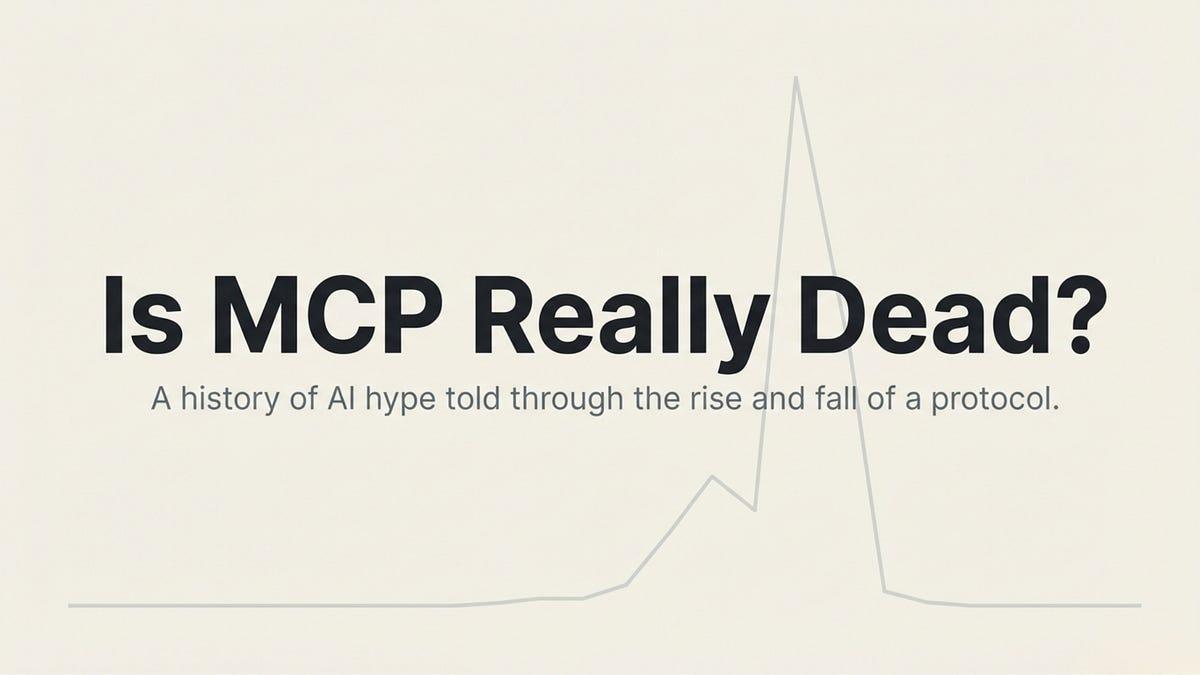
A few months ago, almost every discussion around AI agents included one keyword: MCP (Model Context Protocol).
Today, the conversation feels different.
The hype is quieter.
The excitement is less explosive.
Some developers even started asking:
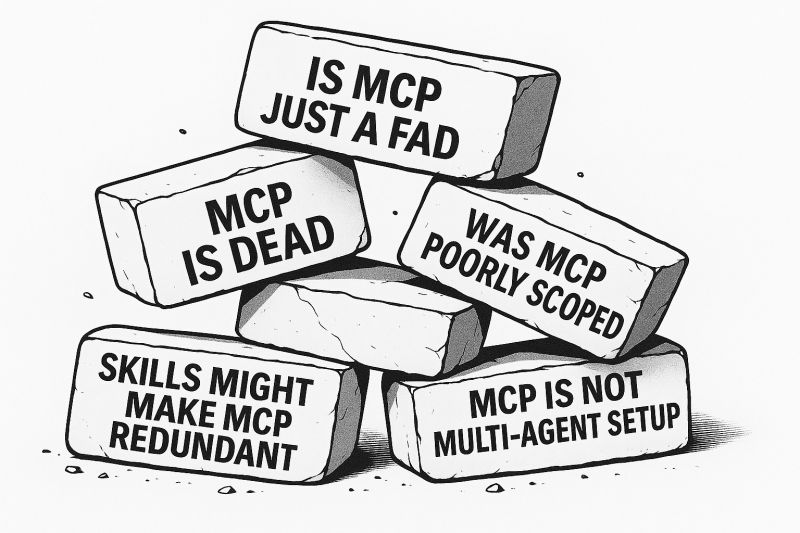
“Is MCP already declining?”
The short answer is:
Yes, the hype cycle is cooling down. But MCP is still very important.
And in many cases, it may become more valuable precisely because the noise is fading.
The Rise of MCP
MCP was introduced as a standardized way for AI systems to communicate with tools, APIs, databases, and external services.
Instead of building custom integrations for every AI workflow, developers could rely on a common protocol layer.
That idea was powerful.
Very quickly, major companies and tools began adopting it:
- Anthropic
- OpenAI
- Cursor
- Windsurf
- JetBrains
- VS Code ecosystem
 Many developers compared MCP to:
- REST APIs for AI
- USB for agent tooling
- Kubernetes for interoperability
Those comparisons may sound exaggerated, but they explain why the ecosystem expanded so aggressively.
Why The Trend Feels Slower Now
The downtrend is real — at least socially.
You can observe it across:
- X/Twitter discussions
- YouTube trends
- Hacker communities
- startup pitches
The reason is simple:
1. The “MCP wrapper” era is ending
At one point, many startups simply added:
- “MCP-compatible”
- “AI agents”
- “tool orchestration”
…without solving a meaningful problem.
As the market matured, people became more selective.
Infrastructure alone is no longer enough.
2. Security concerns became more visible
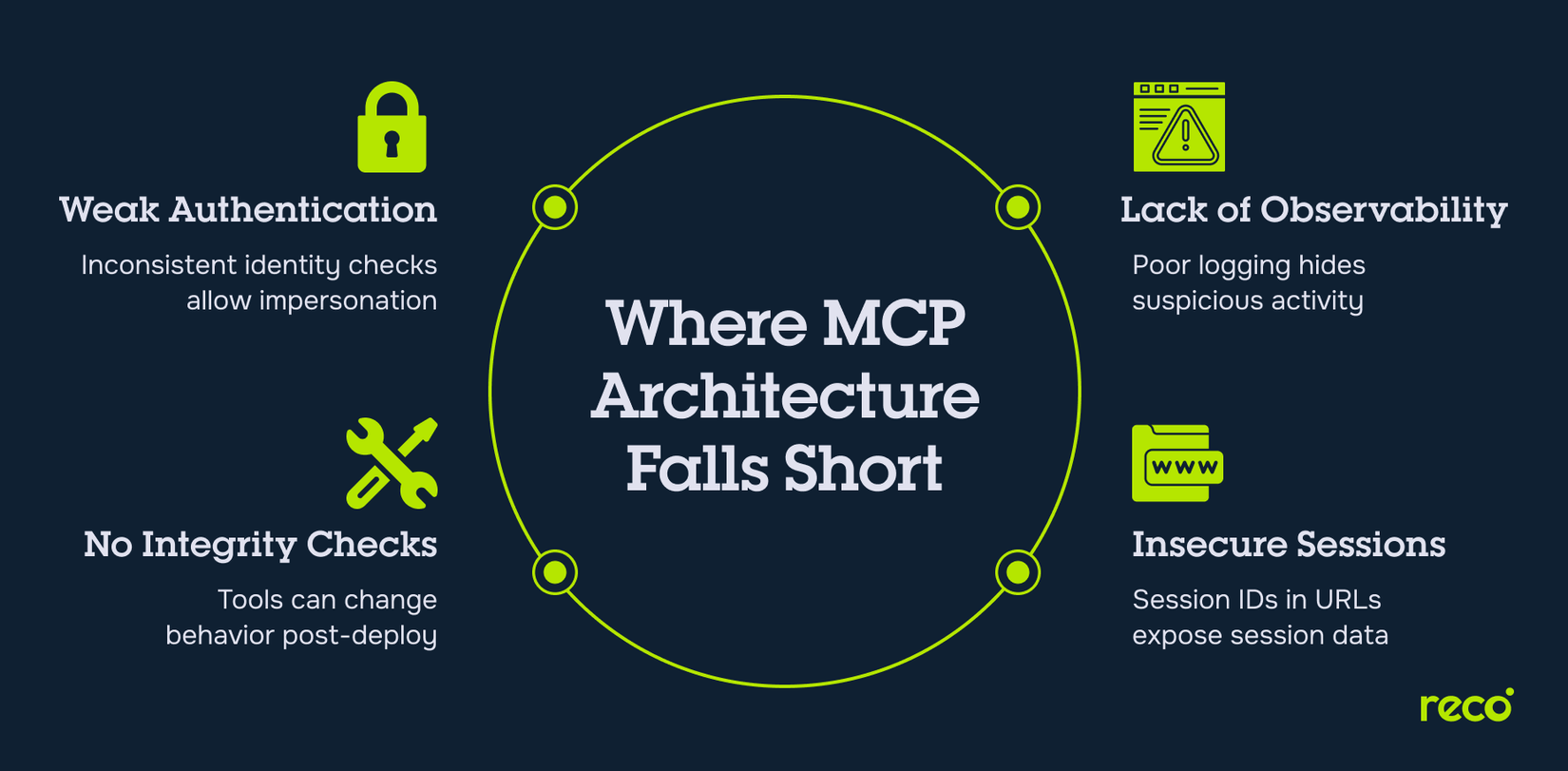
As adoption increased, researchers started discovering real vulnerabilities inside MCP ecosystems.
Some problems included:
- unsafe tool execution
- prompt injection
- poisoned MCP servers
- weak permission boundaries
This changed the industry mindset.
Companies moved from:
“How fast can we integrate MCP?”
to:
“How safely can we deploy MCP in production?”
That naturally slowed the hype.
3. Too many low-quality MCP servers
A large portion of public MCP projects are abandoned, duplicated, or low-value.
This is a common pattern in every fast-growing ecosystem.
We saw it with:
- npm packages
- crypto projects
- browser extensions
- AI wrappers
Rapid growth creates noise before standards mature.
But MCP Is Still Good — And Here’s Why
The important thing is this:
MCP is shifting from “trend” to “infrastructure.”
That is a very different phase.
1. Standardization still matters
AI agents without standardized tooling quickly become messy.
Without MCP:
- every integration becomes custom
- portability decreases
- maintenance costs increase
- agent systems become fragile
MCP solves a real engineering problem:
structured context and tool communication.
That problem does not disappear.
2. Enterprise adoption is still growing
While social hype cooled, enterprise usage continued increasing.
This is an important distinction:
- consumer hype may decline
- infrastructure adoption may continue quietly
Many successful technologies follow this pattern.
For example:
- Docker
- GraphQL
- Kubernetes
- gRPC
The loud phase ends.
The real deployment phase begins.
3. AI agents genuinely need interoperability
The future of AI is likely multi-agent and tool-driven.
Agents increasingly need to:
- access databases
- execute workflows
- communicate with SaaS platforms
- retrieve contextual memory
- coordinate across systems
MCP provides a practical structure for that ecosystem.
Even critics of MCP often admit that the underlying problem is real.
The Real Future of MCP
MCP may not remain the only protocol.
That is important to understand.
We will probably see:
- new standards
- enterprise variants
- secure extensions
- protocol competition
- orchestration layers above MCP
But even if the implementation changes, the core idea remains valuable:
AI systems need a universal way to interact with tools and context.
That concept is unlikely to disappear.
Final Thoughts
MCP is no longer in its explosive “gold rush” phase.
The market is becoming more realistic:
- fewer buzzwords
- more production concerns
- more focus on reliability and security
That is actually healthy.
A technology becomes durable when:
- hype decreases
- practical usage increases
- standards stabilize
- infrastructure matures
So, is MCP still good?
Yes.
But today, it is less about excitement — and more about discipline, architecture, and long-term interoperability.
And honestly, that may be a stronger foundation than hype ever was.
References
All rights reserved
