


How I Built A Real-time Streaming Market Data with .NET and ReactJS
Last month I shared how I turned a side project into a SaaS. Today, I’m opening the hood and showing you the actual architecture, tech decisions, and lessons learned.
📋 Table of Contents
- I. Why I Built This
- II. High-Level Architecture
- III. Core Components Explained
- IV. Tech Stack
- V. Biggest Challenges So Far
- VI. What’s Next
- VII. Final Words
I. Why I Built This
I got tired of:
- Paying $200–$800/month for APIs that go down during high volatility
- Inconsistent latency (especially WebSocket)
- Terrible historical data quality
- Vendors suddenly changing pricing or throttling indie developers
So I decided to build my own — focused on reliability, transparency, and developer experience.
II. High-Level Architecture
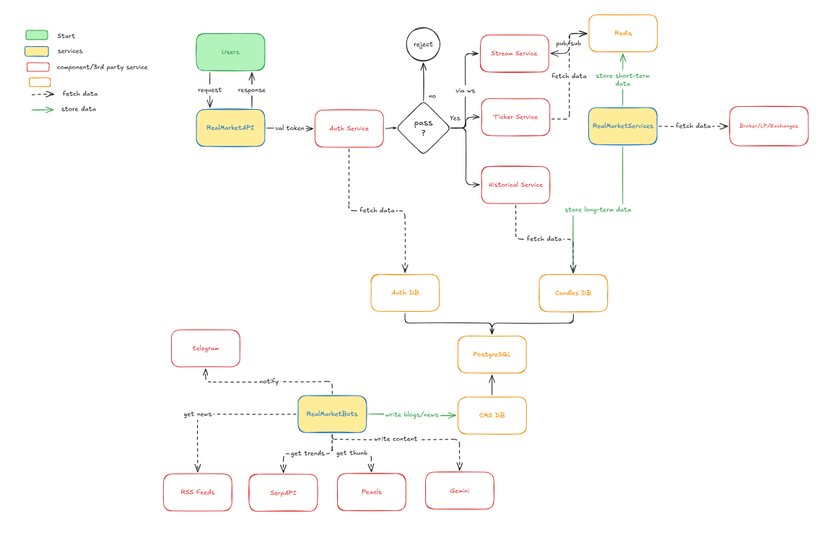
Here’s the current system:
III. Core Components Explained
1. RealMarketAPI (Entry Point)
- Simple REST + WebSocket gateway
- Handles authentication (JWT + API keys)
- Rate limiting & usage tracking
2. Auth Service
- Validates tokens
- Checks subscription tier
- Rejects invalid requests early
3. RealMarketServices (The Brain)
This is where the magic happens. It’s split into three main services:
- Ticker Service – Ultra-low latency price updates
- Stream Service – WebSocket broadcaster (using Redis Pub/Sub)
- Historical Service – Candle & tick data delivery
4. Data Storage Strategy
- Redis → Hot short-term ticker data + Pub/Sub
- PostgreSQL + TimescaleDB → Long-term candles and relational data
- Candles DB → Dedicated time-series optimized storage
5. Data Ingestion
- Multiple workers fetch from various Brokers/Exchanges
- Retry logic + circuit breakers + fallback sources
- Data is normalized into a unified format
6. RealMarketBots (Bonus Layer)
One of my favorite parts:
- Scrapes news & trends using RSS + SerpAPI
- Generates content summaries with Gemini
- Sends Telegram alerts
- Auto-publishes to Facebook and X
IV. Tech Stack
Backend: C# .NET
using FastEndpoints;
using RealTimeMarketAPI.Core.Modules.TickerModule.Handlers;
using RealTimeMarketAPI.Infrastructure.Models;

namespace RealTimeMarketAPI.Core.Modules.TickerModule.Endpoints
{
    public class GetCandlesEndpoint : Endpoint<GetCandlesRequest, ListResult<GetCandlesResponse>>
    {
        public override void Configure()
        {
            AllowAnonymous();
            Get("candle");
            Version(1);
        }

        public override async Task HandleAsync(GetCandlesRequest req, CancellationToken ct)
        {
            var result = await req.ExecuteAsync(ct);
            await Send.OkAsync(result, cancellation: ct);
        }
    }
}
Stack using: FastEndpoints, PostgreSQL, Redis
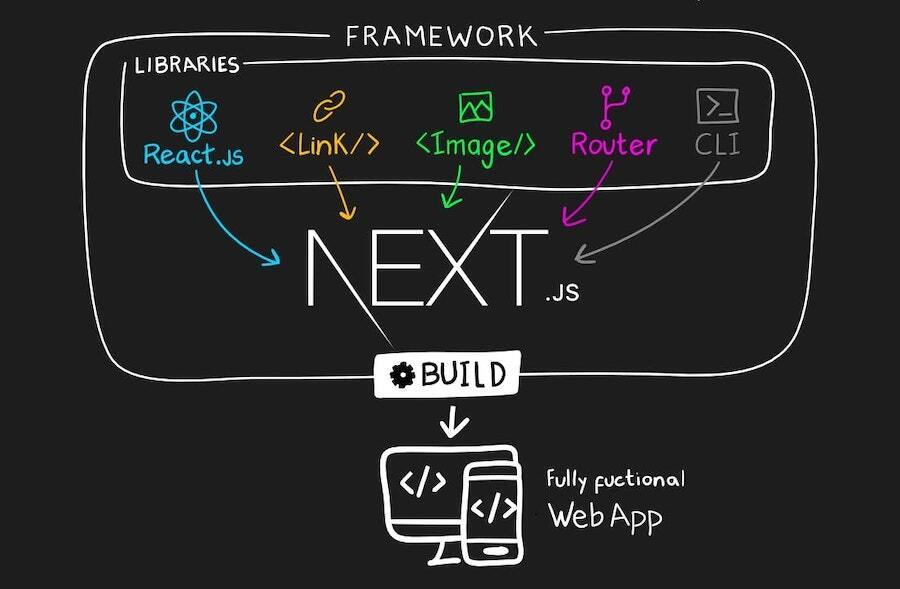
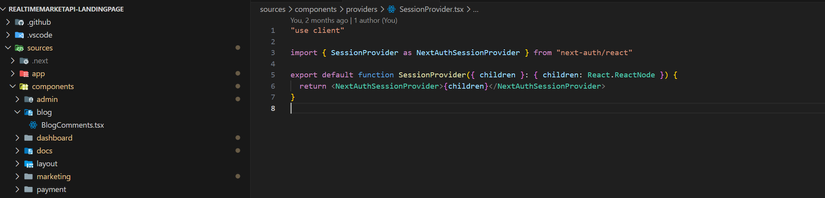
Frontend: Next.js
- Real-time: Redis + custom WebSocket server
- Database: PostgreSQL
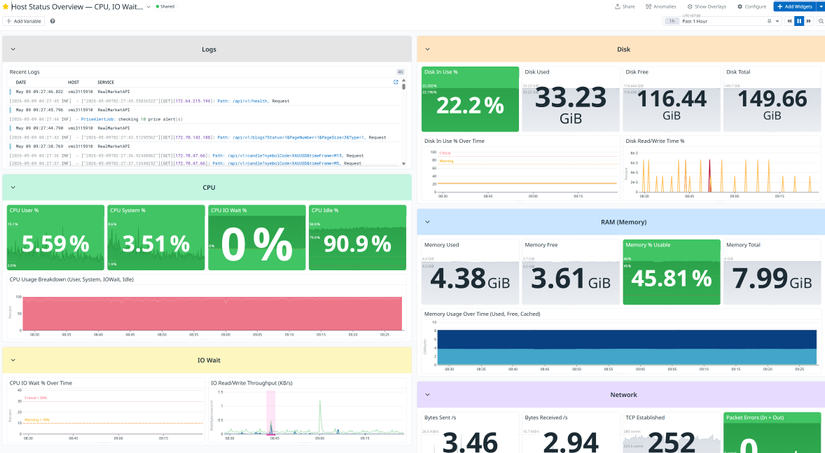
- Observability: Datadog
V. Biggest Challenges So Far
- WebSocket Scale – Maintaining thousands of concurrent connections with low latency is hard.
- Data Consistency – Different exchanges have different timestamp formats and precision.
- Cost Control – Exchange API fees + bandwidth can explode quickly.
- Testing – You can’t easily replay real market conditions.
VI. What’s Next
- TradingView widget
- Official SDKs (Python, Node.js, Go)
- More symbols & exchanges
- Dedicated enterprise nodes
VII. Final Words
Building a market data api taught me one important lesson: Reliability beats features.
Most users don’t need 10,000 symbols. They need 3 symbols that actually work at 3 AM when Bitcoin crashes.
That’s what I’m optimizing for.
You can check it out here: RealMarketAPI
Let me know in the comments:
- What market data pain point do you have?
- Would you use this for algo trading, dashboards, or AI agents?
I read every comment
All rights reserved
