


Do You Really Need an AI Code Checker in 2026 ?
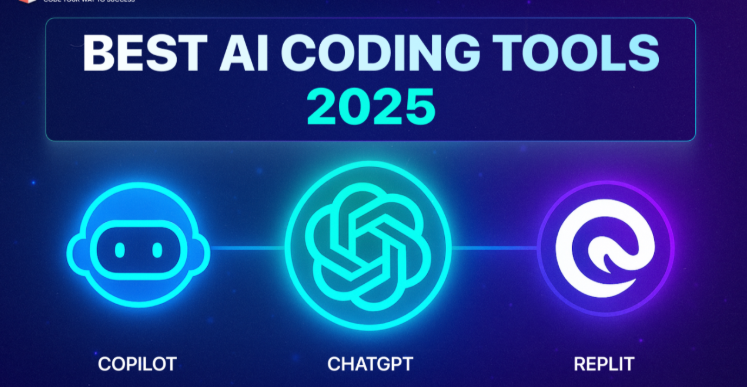
AI is transforming software development at an unprecedented pace. Tools like GitHub Copilot, ChatGPT, and Claude allow developers to generate large chunks of code within seconds. While this has significantly increased productivity, it has also introduced new challenges around code quality, security, and reliability. As AI-generated code becomes more common in repositories, classrooms, and production systems, verifying its authenticity and safety is no longer optional. This is exactly why AI code checkers have become a critical part of modern development workflows.
What is an AI Code Checker? An AI code checker is an advanced tool designed to analyze source code for quality, security, and originality. Unlike traditional code linters or static analysis tools, AI code checkers go a step further by identifying patterns that indicate whether code was generated by artificial intelligence. These tools evaluate multiple aspects of code, including syntax errors, logical issues, security vulnerabilities, and adherence to coding standards. More importantly, they can detect repetitive structures, overly optimized logic, and generic patterns that are often associated with AI-generated code. In simple terms, an AI code checker acts as a quality gate that ensures your code is not just functional, but also secure, maintainable, and trustworthy.
Why Should You Care About AI-Generated Code? The rise of AI coding tools has made development faster, but it has also created a false sense of confidence. Just because code works doesn’t mean it is correct, secure, or optimized for real-world scenarios. One of the biggest concerns is plagiarism and licensing risks. AI models are trained on vast datasets, including open-source repositories, and sometimes reproduce code snippets without proper attribution. This can lead to serious legal issues, especially in commercial projects. Security vulnerabilities are another major problem. AI does not always follow the latest security practices and may generate code with hidden flaws such as SQL injection risks, improper authentication, or insecure data handling. Since AI models have knowledge cutoffs, they may also miss recent security patches or best practices. Another overlooked issue is the lack of original problem-solving. Developers who rely heavily on AI tools may skip the thinking process, which can affect their long-term growth and understanding. This becomes particularly problematic in interviews, debugging scenarios, or complex system design tasks. Finally, there is the issue of AI hallucination. AI can generate code that appears correct but fails in edge cases or real-world conditions. Without proper validation, such code can cause unexpected failures in production systems.
How AI Code Checkers Work AI code checkers use a combination of machine learning, pattern recognition, and static analysis techniques to evaluate code. One of the primary methods is analyzing code structure and repetition. AI-generated code often follows predictable patterns and lacks the natural variation found in human-written code. By detecting these patterns, tools can estimate the likelihood of AI involvement. Another important aspect is comment and documentation analysis. Human developers usually write comments that explain reasoning and context, whereas AI tends to generate generic or overly descriptive comments. AI code checkers also evaluate complexity and creativity. Human code often includes unique approaches, trade-offs, and sometimes even inefficiencies. In contrast, AI-generated code is typically more uniform and optimized. Some advanced tools use stylometric analysis, which works like a fingerprinting system for code. It examines variable naming conventions, indentation styles, formatting habits, and other subtle traits to identify inconsistencies. Additionally, metadata and tool fingerprints can sometimes reveal whether code was generated using specific AI tools.
Top AI Code Checker Tools in 2025
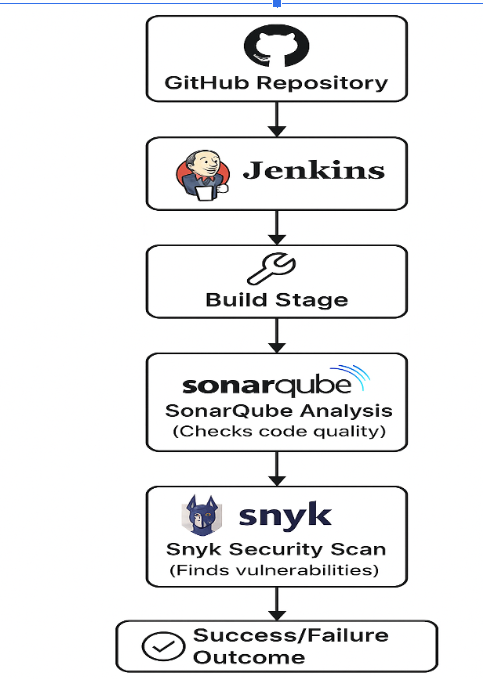
There are several powerful AI code checker tools available in 2025, each offering unique capabilities. CodeBERT AI Detector is known for its deep learning-based analysis and high accuracy in detecting AI-generated patterns. Copyleaks AI Detector combines plagiarism detection with AI identification, making it useful for both academic and professional use. ZZZ Code AI and GalaxyAI provide free solutions for developers who want basic analysis and detection features. For security-focused analysis, Snyk is widely used to identify vulnerabilities, misconfigurations, and security risks in code repositories. While these tools are highly effective, it is important to remember that no tool is 100% accurate. The best approach is to combine automated tools with manual review and testing.
How to Manually Check AI-Generated Code Even without advanced tools, developers can identify AI-generated code using practical techniques. Code that looks too perfect or overly structured can be a red flag. AI often produces clean and optimized code but may ignore edge cases or real-world constraints. Testing for understanding is another effective method. If a developer cannot clearly explain the logic behind the code, it may indicate that the code was generated rather than written manually. Unusual variable names, such as overly generic or literal naming patterns, can also signal AI involvement. Additionally, running static analysis tools like ESLint or SonarQube can help identify inconsistencies and potential issues. However, manual detection is not foolproof and should be used alongside automated tools for better accuracy.
Benefits of Using AI Code Checkers AI code checkers offer several important benefits in modern development environments. They significantly improve code quality by identifying errors, inconsistencies, and bad practices early in the development cycle. They enhance security by detecting vulnerabilities that might otherwise go unnoticed. This is especially important in production systems where even small flaws can lead to major issues. These tools also promote better learning and accountability among developers. By encouraging code review and understanding, they reduce blind reliance on AI tools. In team environments, AI code checkers ensure consistency, enforce coding standards, and improve collaboration. They act as a safety net that helps maintain high-quality code across projects.
Conclusion AI-generated code is here to stay, and its influence will only grow in the coming years. While it offers incredible speed and convenience, it also introduces risks that cannot be ignored. AI code checkers play a crucial role in balancing this equation. They help developers verify code quality, detect vulnerabilities, and ensure reliability before deployment. The future of development belongs to those who can effectively combine AI tools with human intelligence. By using AI code checkers, developers can harness the power of AI without compromising on quality, security, or trust.
All rights reserved
