


Unique Serving Boards: The Easy Way to Make Every Meal Feel Special
If you have ever set down a plain plate of cheese and crackers next to a beautifully arranged board and watched everyone go straight for the board, you already know the power of presentation. Unique serving boards do something a regular plate just cannot. They turn snacks into a spread, dinner into an occasion, and a Tuesday night into something worth remembering. Whether you host often or just want your kitchen to feel a little more like a place where good things happen, the right serving board changes the whole vibe of a meal.
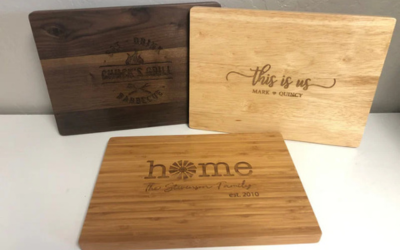
This guide walks you through everything worth knowing before you buy one. We will cover materials, shapes, sizes, occasions, care tips, and even a few creative gifting ideas you probably have not thought of yet. By the end, you will know exactly which board fits your life, your kitchen, and your style.
Why Serving Boards Have Become a Kitchen Staple
A few years ago, serving boards were mostly something you saw at fancy restaurants or in cooking magazines. Now they show up at backyard barbecues, holiday parties, and weeknight dinners with friends. Part of that shift comes from social media, where a beautifully styled board photographs far better than a stack of plates. But the bigger reason is simpler. People genuinely enjoy eating off something that feels intentional.
A good serving board gives food room to breathe. Cheese does not touch the crackers unless you want it to. Fruit gets its own little corner. Dips have somewhere to sit without sliding into the olives. It is a small thing, but it changes how a meal feels from the moment guests walk in.
What Makes a Serving Board Truly Unique
Not every board on the market earns the word unique. A lot of them are just rectangles with a slight stain. The boards that actually stand out usually have one or more of these qualities:
- An unusual shape, like a leaf, a paddle, or a curved organic edge instead of a plain rectangle
- A mix of materials, such as wood paired with marble or slate inlays
- A built in handle, groove, or juice channel that adds function along with looks
- Visible wood grain or natural stone veining that makes each piece slightly different
- Custom engraving, monograms, or a name burned into the surface
That last point matters more than people expect. A board with someone's name or a wedding date on it instantly becomes a keepsake instead of just kitchenware. It is the same reason personalized gifts tend to get used and displayed far longer than generic ones.
Choosing the Right Material for Your Lifestyle
This is where most people get stuck, and for good reason. Material affects everything from how the board feels in your hand to how long it lasts.
Wood boards, especially acacia, walnut, and olivewood, are the most popular choice for good reason. They are warm looking, gentle on knives, and naturally resistant to bacteria buildup when cared for properly. The tradeoff is that wood needs occasional oiling to stay in good shape and should never go in the dishwasher.
Marble boards bring a cooler, more elegant look and work beautifully for desserts, chocolate, or anything you want to keep at a stable temperature. Marble is heavier and can stain if wine or oil sits on it too long, so it asks for a bit more attention than wood.
Slate boards have become popular for cheese and charcuterie because they do not absorb smells or liquids the way wood can. They also give a dramatic, almost chalkboard look that makes light colored foods pop visually.
If you want a quick way to compare them, here is how the three stack up side by side:
| Material | Best For | Maintenance Level | Look |
|---|---|---|---|
| Wood | Everyday use, charcuterie, bread | Medium, needs oiling | Warm and rustic |
| Marble | Desserts, cold appetizers, elegant events | Medium, avoid acidic spills | Sleek and modern |
| Slate | Cheese boards, dramatic presentation | Low, easy wipe down | Bold and contemporary |
There is no single best material here. It really depends on how often you host, what you usually serve, and the kind of look you want on your table.
Picking the Right Size and Shape for How You Actually Entertain
A board that looks perfect in a product photo is not always the right fit for your kitchen. Before buying, think about how many people you typically serve and how much counter or table space you have.
Smaller boards, around 10 to 12 inches, work well for couples or small gatherings where you just want a casual snack spread. Medium boards in the 14 to 18 inch range are the sweet spot for most households since they handle everything from a date night spread to a small dinner party. Anything larger than that is really built for big holiday gatherings or as a centerpiece for a buffet table.
Shape matters too. Round boards tend to suit casual, family style serving. Long rectangular or paddle shaped boards are ideal for charcuterie because they give you room to arrange things in a line that guests can move down. Boards with built in handles make it much easier to carry a fully loaded spread without setting it down halfway across the kitchen.
Unique Serving Boards as Gifts People Actually Keep
Most kitchen gadgets end up in a drawer within a year. Serving boards tend to go the other way. They get displayed, used at every gathering, and often become the thing a host reaches for first.
This makes them a strong gift choice for weddings, housewarmings, retirements, and holidays. A personalized board with a couple's last name or wedding date carries a kind of sentimental weight that a regular kitchen gadget simply cannot match. Even something as simple as engraving a family recipe or a favorite quote turns a practical object into something with real meaning behind it.
If you are shopping for a host who already seems to have everything, a uniquely shaped or personalized board is usually the safest bet, since it is both useful and visually appealing on its own.
How to Care for Your Serving Board So It Lasts
A beautiful board is only worth the money if it actually holds up over time. Care depends heavily on material, but a few habits apply across the board, literally and figuratively.
- Hand wash wood and marble boards instead of using a dishwasher, since heat and harsh detergent can warp wood and dull stone finishes
- Dry boards standing upright rather than laying flat so moisture does not pool and cause warping
- Oil wood boards every few weeks with food safe mineral oil to keep the surface from drying out and cracking
- Wipe spills quickly on marble to avoid staining from wine, oil, or acidic foods
- Avoid cutting directly on decorative boards meant purely for serving, since knife marks dull the finish fast
If you want guidance straight from a food safety authority rather than just kitchen folklore, the USDA's cutting board care guidelines are a solid reference point for cleaning frequency and sanitizing methods that actually work.
Customized Passport Covers: A Travel Companion Worth Personalizing
Serving boards are not the only everyday object that benefits from a personal touch. Customized passport covers have quietly become one of the most popular small gifts and personal accessories for travelers. A passport gets handled constantly at airports, hotels, and border checks, and a generic navy blue cover makes it easy to mix yours up with someone else's at baggage claim or a shared hotel room.
A personalized cover solves that instantly. Adding initials, a name, or even a small destination icon makes your passport easy to spot in a bag and adds a bit of personality to something that is otherwise pretty plain. They also offer light protection against scuffing and spills, which matters more than people expect given how much a passport gets tossed around during a trip. For frequent travelers, a customized cover is a small upgrade that makes a real difference every time you reach for your documents.
Styling Tips That Make Any Board Look Better Instantly
You do not need professional training to style a serving board well. A few simple habits make a huge visual difference.
Start with the largest items first, like a wedge of cheese or a small bowl of dip, and place them before filling in the gaps. Group similar colors together rather than scattering them randomly, since color blocks photograph and look better in person too. Leave a little visible board space between sections instead of covering every inch, which keeps the whole thing from looking cluttered. Finally, add something fresh like herbs, a few berries, or edible flowers as a last touch, since greenery instantly makes a board look more finished.
Common Mistakes People Make When Buying a Serving Board
A lot of buyers focus only on looks and skip a few practical questions that end up mattering a lot later.
One common mistake is buying a board that is too large for daily storage. A gorgeous 24 inch board sounds great until you realize it barely fits in your cabinet. Another mistake is choosing a porous, unsealed wood without checking if it needs regular oiling, then being surprised when it dries out within a few months. People also sometimes skip checking the weight, which matters if you plan to carry a fully loaded board to a table often.
Taking five extra minutes to think through storage space, weight, and maintenance habits before buying saves a lot of regret later.
Final Thoughts on Choosing Unique Serving Boards
A great serving board does more than hold food. It sets a tone the moment it hits the table, turning a simple gathering into something people remember and want to repeat. Whether you go with a warm wood board for everyday meals, a sleek marble piece for special occasions, or a personalized design as a gift, unique serving boards are one of the easiest upgrades you can make to how you entertain. Pair that thoughtfulness with personal touches elsewhere, like customized passport covers for the travelers in your life, and you start building a small collection of everyday items that feel a little more like you.
Frequently Asked Questions
What is the best material for a serving board that will be used often?
Wood, particularly acacia or walnut, tends to hold up best for frequent use since it resists cracking and is gentle on the items placed on it.
Can I cut food directly on a decorative serving board?
It depends on the board. Boards specifically labeled as cutting boards are safe for slicing, but thinner decorative serving boards are best used only for presentation to avoid scratches and damage.
How often should I oil a wooden serving board?
Most wood boards benefit from oiling every two to four weeks, depending on how often they are used and how dry your climate is.
Are marble serving boards safe for food?
Yes, marble is food safe and naturally cool to the touch, which makes it especially good for desserts, cheese, and chocolate. It does need occasional sealing to resist staining.
What size serving board is best for a small dinner party?
A board between 14 and 18 inches usually works well for four to six people, giving enough space for a few items without overwhelming the table.
Do personalized serving boards make good wedding gifts?
Yes, engraved or monogrammed boards are a popular wedding gift because they combine practicality with a personal touch that couples tend to keep and use for years.
All rights reserved