

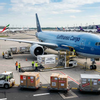
How to Streamline International Air Freight Shipping for Growing Businesses
Running a growing business comes with exciting milestones, and one of the most significant is expanding into international markets. But with global expansion comes the complex world of cross-border logistics. Whether you are sourcing raw materials from overseas suppliers or shipping finished goods to customers across continents, understanding how to streamline international air freight shipping is no longer optional; it is essential. The good news is that with the right strategies, reliable partners, and a clear understanding of available services, businesses of any size can move goods efficiently and cost-effectively through the air freight network. This guide breaks down everything you need to know, from selecting the right freight forwarding services to understanding how international ocean freight forwarding fits into a broader logistics strategy, all with the goal of helping your business ship smarter and grow faster.
Why Air Freight Matters for Growing Businesses
Speed is the defining advantage of air freight. When a customer needs a shipment delivered within days, not weeks, air cargo is almost always the answer. For businesses operating in industries with short product life cycles, such as fashion, electronics, or perishables, this speed can be the difference between satisfying a client and losing them to a competitor.
According to data tracked by the International Air Transport Association (IATA), air freight carries less than 1% of global trade by volume but accounts for approximately 35% of world trade by value. That statistic alone tells you how vital air freight is to high-value, time-sensitive commerce.
For growing businesses, the case for air freight is even more compelling. When you are scaling, inventory management becomes a critical challenge. Holding large amounts of safety stock is expensive. Air freight allows you to maintain leaner inventories by replenishing faster, reducing warehousing costs, and responding more nimbly to demand fluctuations. Rather than tying up capital in bulk shipments sitting at sea for four to six weeks, you can ship smaller, more frequent batches by air, aligning supply with actual demand.
The challenge, of course, is cost. Air freight can be five to ten times more expensive than ocean freight on a per-kilogram basis. This is why knowing how to use it strategically, and how to integrate it with other shipping modes, is so important.
Understanding Freight Forwarding Services and Why They Are Critical
One of the most impactful decisions a growing business can make is partnering with the right freight forwarding services provider. A freight forwarder acts as an intermediary between your business and the various carriers, customs authorities, and logistics providers involved in moving your goods internationally.
Think of a freight forwarder as your logistics quarterback. They handle the complexity of international shipping so you do not have to. This includes booking cargo space with airlines, preparing and reviewing shipping documents, managing customs clearance, arranging cargo insurance, and coordinating last-mile delivery at the destination. For businesses without dedicated logistics teams, this expertise is invaluable. When evaluating freight forwarding services, there are several key factors to consider.
Network and Coverage: A strong freight forwarder has relationships with carriers across multiple regions and can offer routing options that balance speed with cost. If your business ships to diverse markets, you want a partner with a truly global footprint.
Customs Expertise: Customs compliance is one of the most commonly underestimated aspects of international shipping. Errors in classification, valuation, or documentation can lead to delays, fines, or even seizure of goods. A knowledgeable freight forwarder navigates these requirements on your behalf, ensuring that your shipments cross borders without unnecessary friction.
Technology and Visibility: Modern freight forwarding services should provide real-time shipment tracking and digital documentation management. In an era where supply chain visibility is a competitive advantage, partnering with a tech-forward forwarder helps you stay informed and responsive.
Scalability: As your business grows, your logistics needs will evolve. Choose a freight forwarder that can scale with you, handling increased volumes, new trade lanes, and more complex supply chain configurations. A recent Forbes analysis on global logistics trends noted that businesses that leverage professional freight forwarding services consistently outperform competitors in delivery reliability and cost control, particularly during market disruptions. This reinforces the value of treating your freight forwarder not as a vendor but as a strategic partner.
Integrating International Ocean Freight Forwarding Into Your Strategy
While air freight excels at speed, international ocean freight forwarding remains the backbone of global trade for good reason. Ocean shipping is significantly more cost-effective for large or heavy shipments, and with modern routing and logistics optimization, transit times have become increasingly predictable.
Understanding how to blend air and ocean freight within your supply chain is one of the most powerful tools available to growing businesses. This approach is often called multimodal or intermodal logistics, and it allows companies to optimize for both cost and speed depending on the specific shipment.
According to Google's business resource library and logistics guides, international ocean freight forwarding involves coordinating Full Container Load (FCL) or Less than Container Load (LCL) shipments across international sea routes, with a freight forwarder handling documentation, port operations, and customs clearance at both origin and destination.
Here is how growing businesses can use international ocean freight forwarding strategically alongside air freight.
Segment Your Inventory by Urgency and Value: Not all products need to fly. High-value, time-sensitive goods such as electronics components or medical devices are natural candidates for air freight. Bulky, lower-value goods such as raw materials or promotional merchandise are better suited for ocean freight. By segmenting your inventory this way, you optimize costs across your entire shipping operation.
Use Ocean Freight for Planned Replenishment, Air for Emergency Stock: Build your baseline inventory cycles around ocean freight schedules, and reserve air freight for urgent replenishment when stock levels dip unexpectedly. This hybrid approach minimizes premium freight costs while still protecting service levels.
Explore Air-Ocean Combinations: For certain trade lanes, it is possible to fly goods part of the way and complete the journey via sea, or vice versa. Freight forwarding services providers with strong multimodal capabilities can help you design these routes to achieve the best balance of time and cost.
Build Relationships with Your Ocean Freight Forwarder: Just as with air freight, having a dedicated partner for international ocean freight forwarding matters. They understand the intricacies of port operations, vessel scheduling, and local customs requirements, and those relationships translate into smoother shipments and fewer surprises.
Practical Steps to Streamline Your Air Freight Operations
Knowing the theory is one thing; executing it effectively is another. Here are concrete, actionable steps growing businesses can take to streamline their international air freight operations today. Standardize Your Documentation: Shipping documentation errors are one of the top causes of customs delays. Create standardized templates for your commercial invoices, packing lists, certificates of origin, and air waybills. Work with your freight forwarding services provider to audit these documents before each shipment, especially when entering new markets.
Understand Incoterms: International Commercial Terms, commonly known as Incoterms, are a set of internationally recognized rules that define the responsibilities of buyers and sellers in international trade. Selecting the right Incoterm for each transaction determines who is responsible for freight, insurance, and customs at each stage of the journey. Misunderstanding Incoterms can create costly gaps in liability. Your freight forwarder should be able to advise you on the most appropriate terms for your specific trade relationships.
Invest in Shipment Visibility Tools: Real-time tracking is no longer a luxury; it is a baseline expectation. Many freight forwarding services providers now offer digital portals where you can monitor shipment status, receive alerts for exceptions, and access documents on demand. If your current provider does not offer this level of visibility, it may be time to evaluate alternatives.
Negotiate Volume Rates: Even if your current volumes are modest, ask your freight forwarder about volume-based pricing. Many forwarders can secure better rates with airlines on your behalf if they can commit to regular cargo. As your shipping frequency increases, these savings compound significantly.
Plan Around Peak Periods: Air freight capacity tightens considerably during peak seasons, particularly in the lead-up to major retail events and holidays. Work with your freight forwarding services provider to book space well in advance during these periods, and consider building inventory buffers through ocean freight to reduce your dependency on expensive peak-season air capacity.
Conduct Regular Supply Chain Reviews: The logistics landscape changes constantly, driven by fuel prices, geopolitical shifts, carrier capacity changes, and regulatory updates. Schedule quarterly reviews with your freight forwarder to assess your current shipping patterns, identify inefficiencies, and adjust your strategy accordingly. This proactive approach catches problems before they become costly surprises.
Choosing the Right Partner for Long-Term Success
No two businesses have exactly the same logistics needs, which is why choosing the right partner for both freight forwarding services and international ocean freight forwarding requires careful evaluation. Look beyond price alone. The cheapest option is rarely the most cost-effective when you factor in delays, documentation errors, poor communication, and inadequate customs support.
Ask potential freight forwarders for references from businesses in your industry or with similar trade lanes. Inquire about their approach to problem resolution; when things go wrong in international shipping, and they sometimes do, you need a partner who responds quickly and transparently. Evaluate their technology stack, their network of agents in key markets, and their experience with any specialized cargo requirements your products may have, such as temperature control, hazardous materials handling, or oversized dimensions.
It is also worth considering whether your forwarder offers both air and ocean services. Having a single partner capable of managing your full freight portfolio, whether via air or sea, simplifies communication, reduces handoff errors, and often leads to better consolidated pricing.
Conclusion: Build Your Logistics Foundation Now
International air freight shipping does not have to be overwhelming. With the right knowledge, the right partners, and a clear strategy, growing businesses can turn logistics from a source of stress into a genuine competitive advantage.
Start by partnering with experienced freight forwarding services providers who understand your markets and can offer the technology and expertise you need to ship with confidence. Complement your air freight strategy with well-planned international ocean freight forwarding for cost-effective bulk movements. Standardize your documentation, invest in visibility, and plan proactively around market conditions and peak seasons. The businesses that thrive globally are not necessarily the ones with the biggest budgets; they are the ones that move smarter. Every dollar saved through logistics efficiency is a dollar that can be reinvested in growth, product development, or customer service.
All rights reserved